


A PHP Error was encountered

Severity: Notice

Message: Undefined property: stdClass::$geoplugin_countryName

Filename: views/service-template.php

Line Number: 41

Backtrace:

File: /var/www/vhosts/enjoycuba.net/httpdocs/application/views/service-template.php
Line: 41
Function: _error_handler

File: /var/www/vhosts/enjoycuba.net/httpdocs/application/controllers/Hospedaje.php
Line: 1064
Function: view

File: /var/www/vhosts/enjoycuba.net/httpdocs/application/controllers/Hospedaje.php
Line: 64
Function: descripcion_hotel

File: /var/www/vhosts/enjoycuba.net/httpdocs/index.php
Line: 315
Function: require_once

Telegrafo

Hotels - Telegrafo

About  Telegrafo

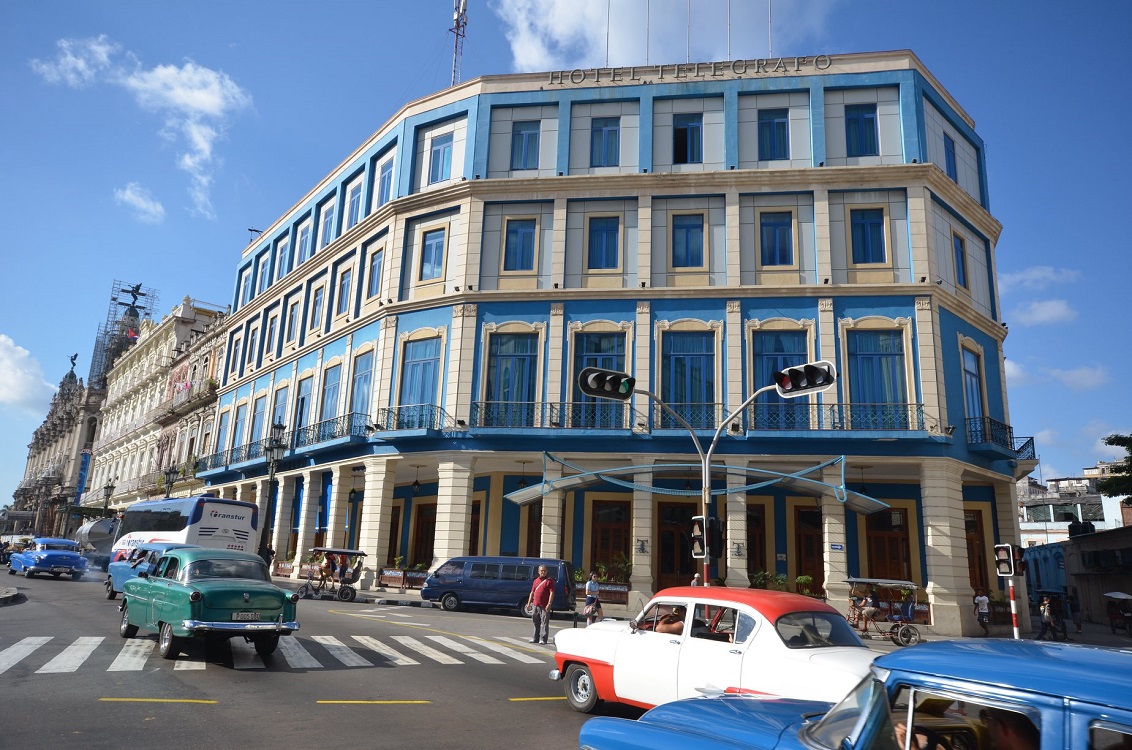
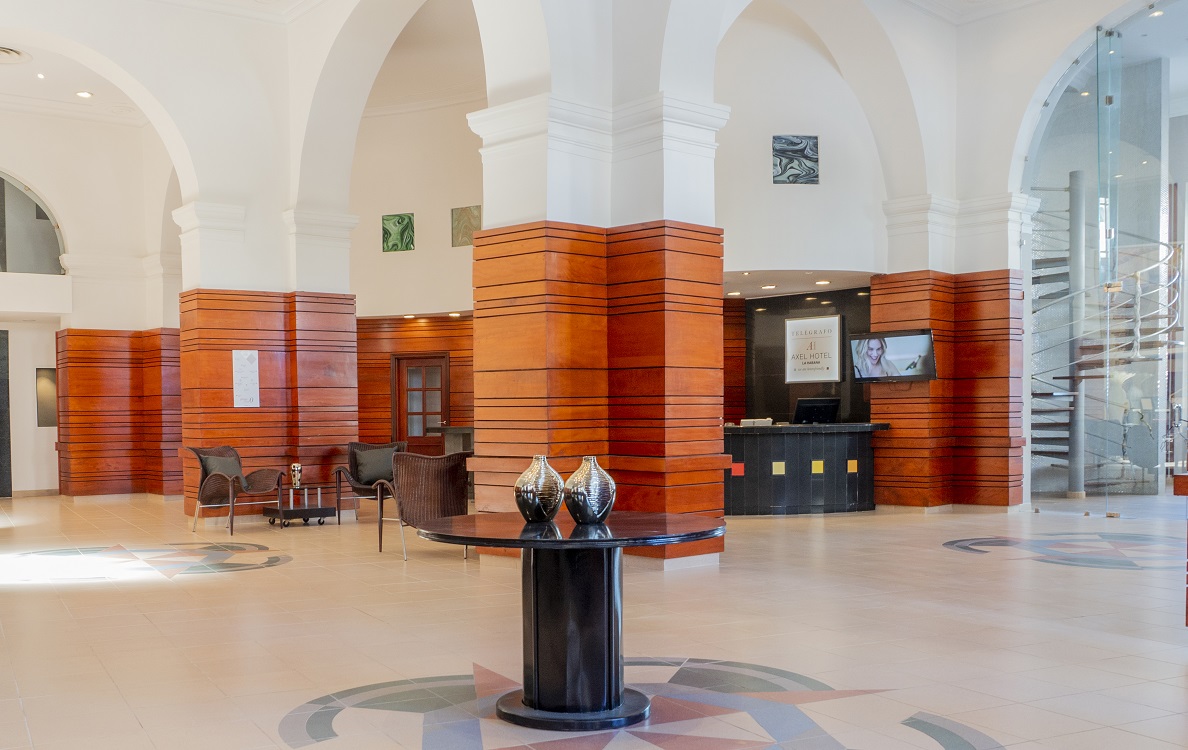
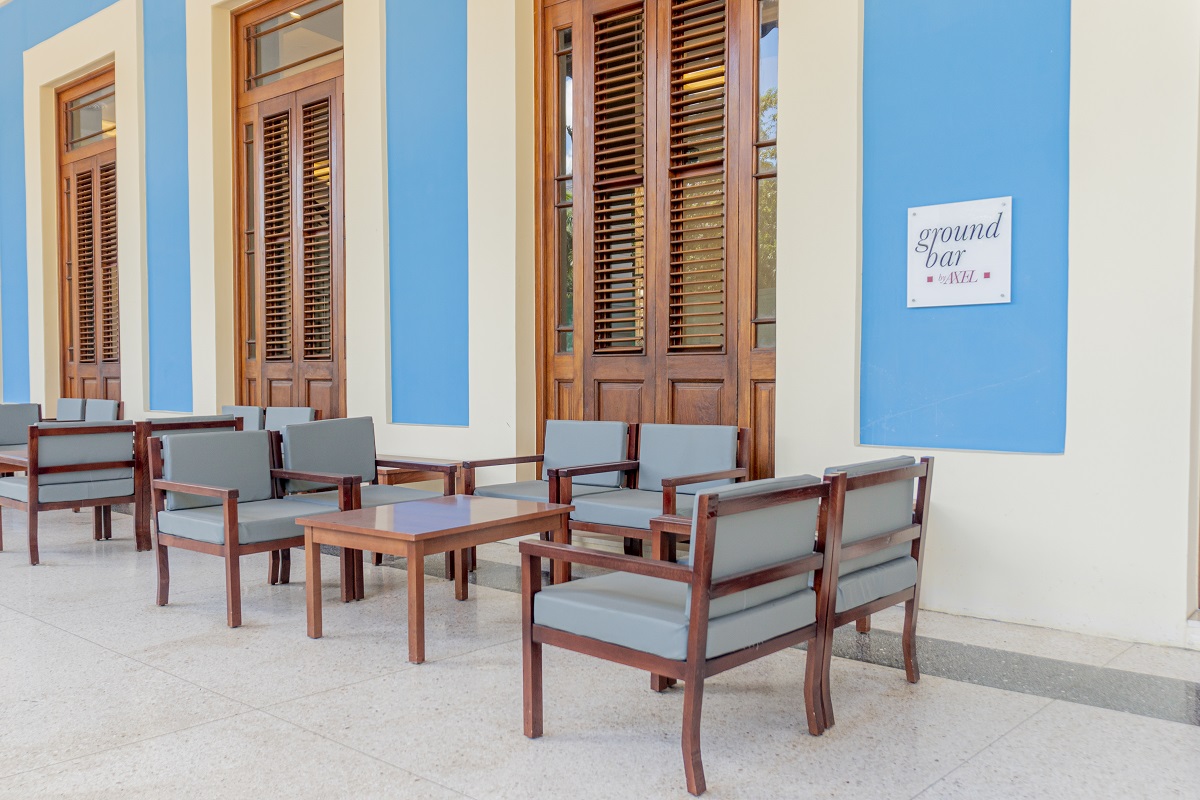
The Telégrafo Axel Hotel La Habana is located in the old and emblematic Hotel Telégrafo, founded in 1860 and relocated in 1888.

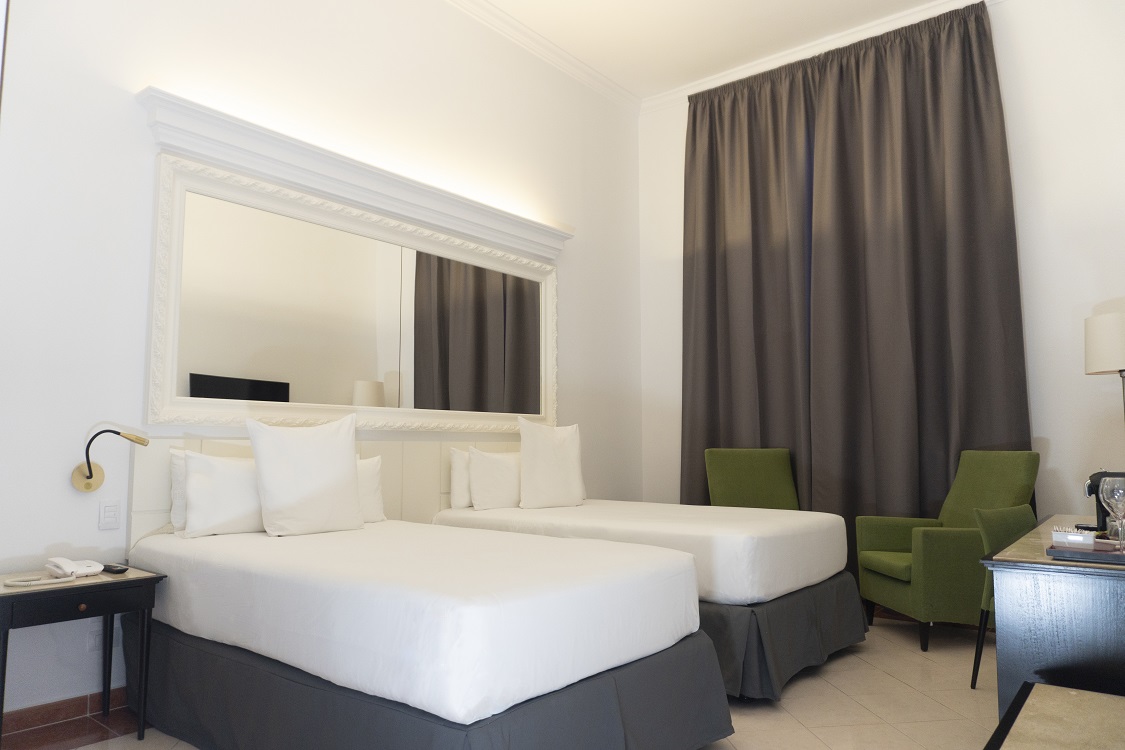
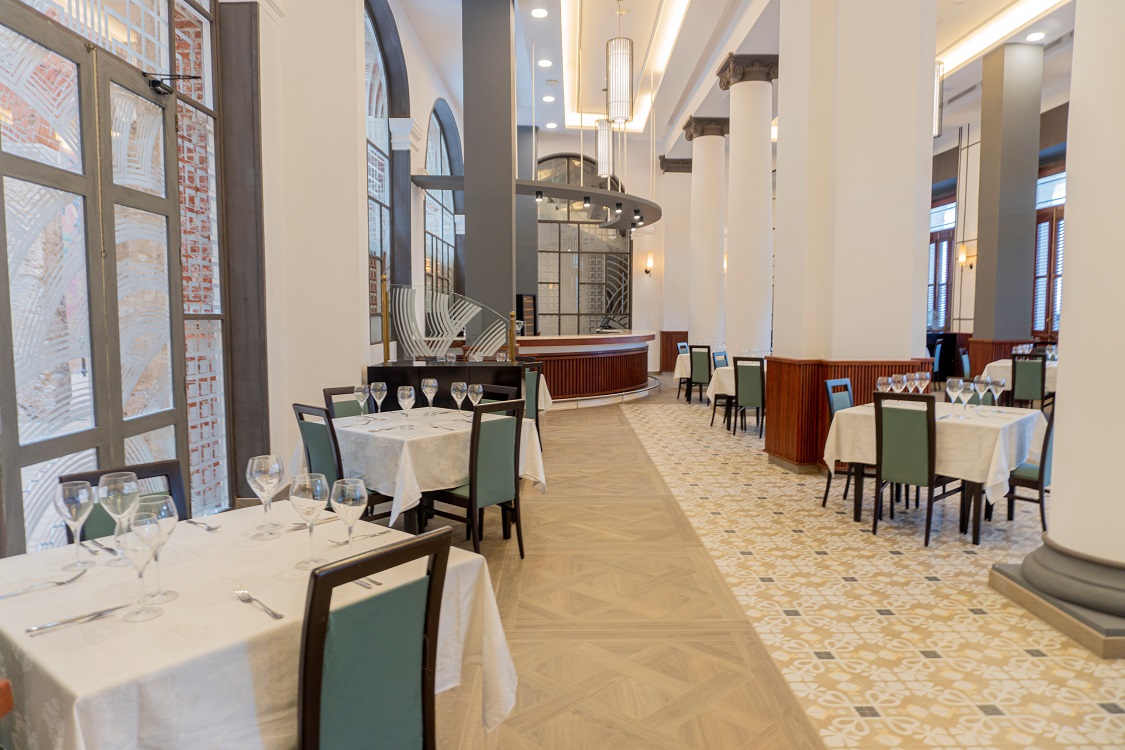
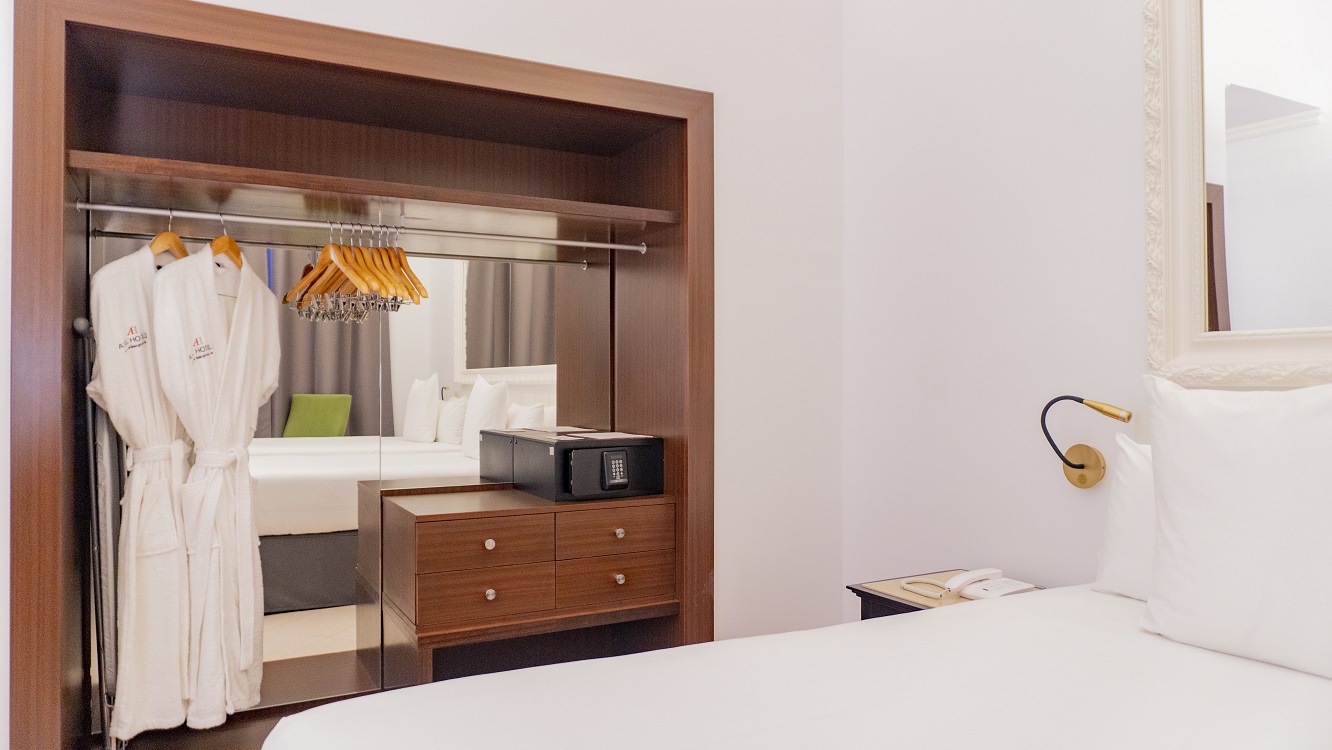
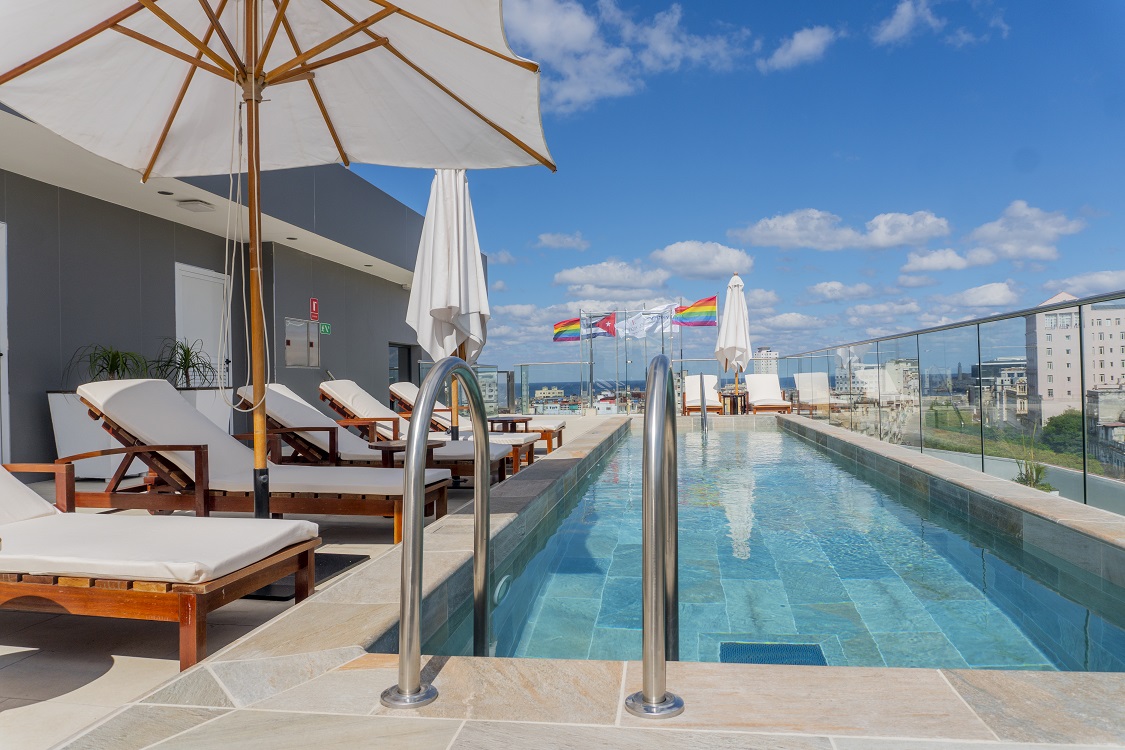
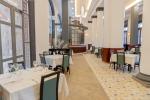
The establishment, completely refurbished in 2021, has a 4-star category and has 63 rooms, as well as the essential services of any Axel Hotel: Restaurant, Spa & Fitness, Lounge and Sky Baron the rooftop terrace, with swimming pool and solarium from where you can enjoy the unique atmosphere of Axel and its heterofriendly philosophy.

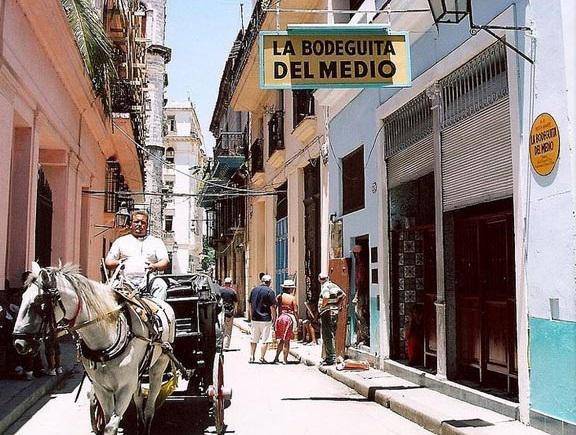
Its privileged location makes the hotel one of the iconic landmarks of the always magical and warm Old Havana.


calle Prado, Habana

National Capitol

The monumental Capitolio is a replica of the American capitol in Washington, DC. It is one of the most emblematic buildings of the Havana skyline and it occupies an area of 38 875 m². It was the seat of the legislative body of the Republic since its inauguration on May 20, 1929. The facade is mainly of classic style while the interior of the building is characterized by eclectic opulence. From the stairs on we see the imposing porch columns and behind them we find the main gates, fashioned in bronze with bas-relief depicting important scenes of national history. On both sides of the uppermost part of the stairs there are two bronze statues, symbols of two guiding virtues: people and work. These statues are the work of the Italian sculptor Angelo Zanelli. 

Teniente Rey y Villegas, Habana Vieja, La Habana

Santo Cristo del Buen Viaje Church

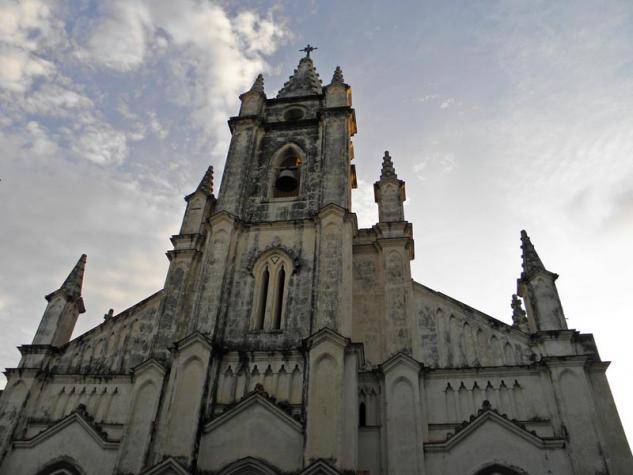
The Santo Cristo del Buen Viaje Church is a simple yet charming church. It is located in Plaza del Cristo Square, on the western side of Old Havana, away from the city center and tourist areas. The structure of the church is intriguing because of the simplicity of its towers and of its lateral façades, in complete harmony with the character of the works of the 17th century. The church was built in 1732 in the same place where previously there was a Franciscan shrine. Nowadays it has only partially been restored, with its beautiful stained glass windows and brightly colored ceiling being very noteworthy qualities. Inside the church, the image of Jesus on the Cross among travelers and sailors became very popular because it was thought to keep people from harm. On Good Fridays the processions left from the Convento de San Francisco de Asís and ended at the Iglesia del Cristo. The dimensions of the plaza were planned according to the processions that were to take place in it, marking the end of the fourteen crosses or Stations of the Cross. The Plaza del Cristo Square is an ideal place if you want to get far from touristy areas and to witness what real Cuban life is like.

Avenida de México, esq Arroyo, La Habana

Train Museum

The Museo del Ferrocarril (Train Museum) of Havana is located in the old Cristina Station, built in 1859. The museum exhibits a great collection of old locomotives, photographs, and signaling materials, as well as an interesting review of the Cuban trains history. Cuba was one of the first countries in the world to build a rail network, and the trains on the island began to run at least a decade before those in Spain. In this museum you’ll find steam engine locomotives for broad and narrow rails, as well as diesel and electric locomotives. One of the most important items in the museum is the La Junta de Fomento Locomotive, bought in the US in 1842. The museum also houses an area which reproduces the operations room of a train station in the first half of the 20th century; and a Railway Modelling Room which exhibits scale models of stations and railway equipments.

Carretera de La Cabana, Habana del Este

Tres Reyes del Morro Castle

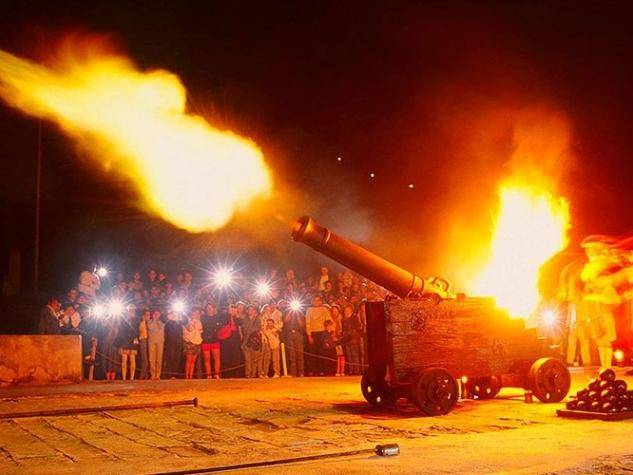
Perhaps the most iconic of all Cuban fortresses. Its construction began in 1589 and was completed in 1630, playing a key role in the defence of Havana against raids by corsairs and pirates.  When the English attacked and captured Havana in the year 1762, the castle was damaged and later as soon as Spain took power again it was rebuilt and modernized. A lighthouse was added to the Morro in 1764. Standing 45 metres above sea level, it has become an unmistakeable symbol of Havana.

Be the first to write a review

Write a review

Title

Your review

What sort of Trip was this?

  • Business
  • Couples
  • Family
  • Friends
  • Solo

When did you travel?

Add a tip to help travelers choose a good room (Optional)

Do you have photos to share? (Optional)

Name

Email

Skedio, S.L. CIF: B66173931. # Travel Agency Licence: GC-3667 © 2025 Enjoytravel Corporate, All rights reserved