257 Mercaderes St.. between Amargura St. & Brasil St. (Teniente Rey) ,
Havana, Cuba
(+53) 78633838
yes
About
Meson de la Flota
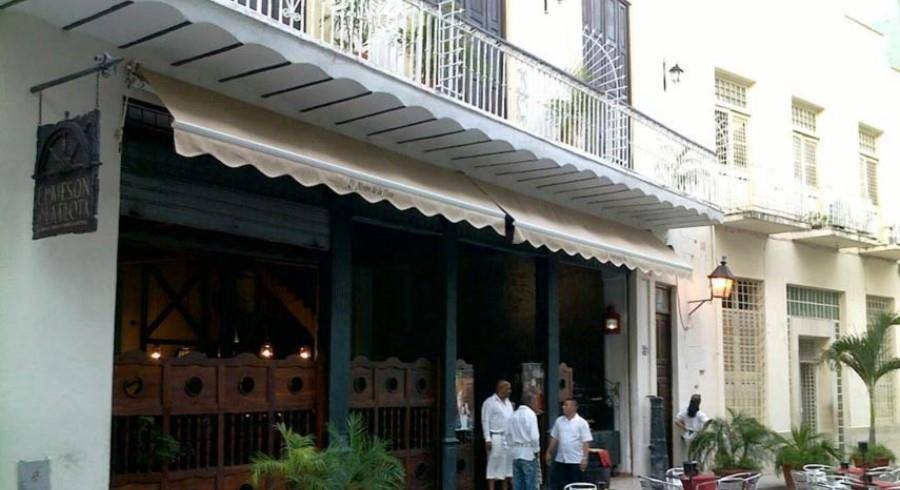
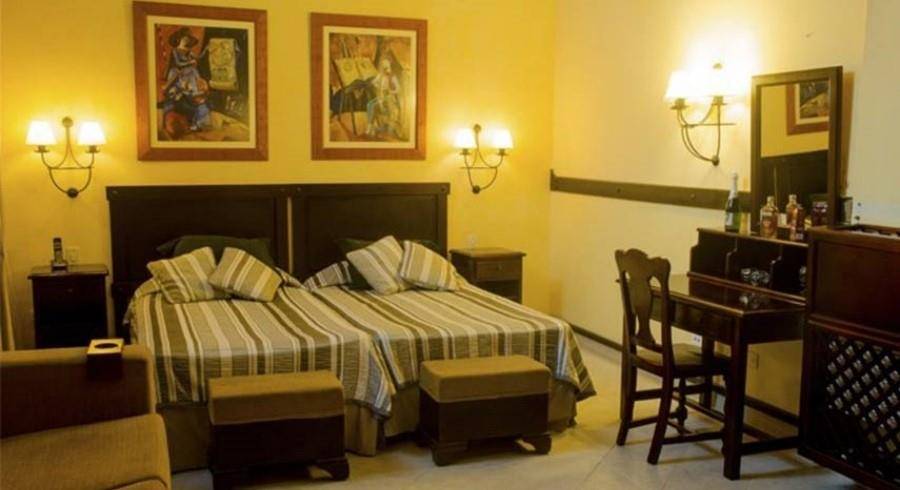
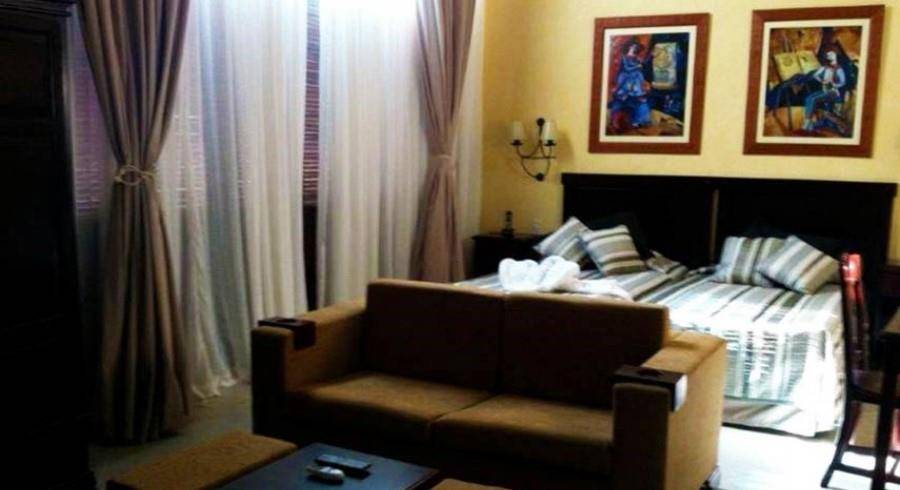
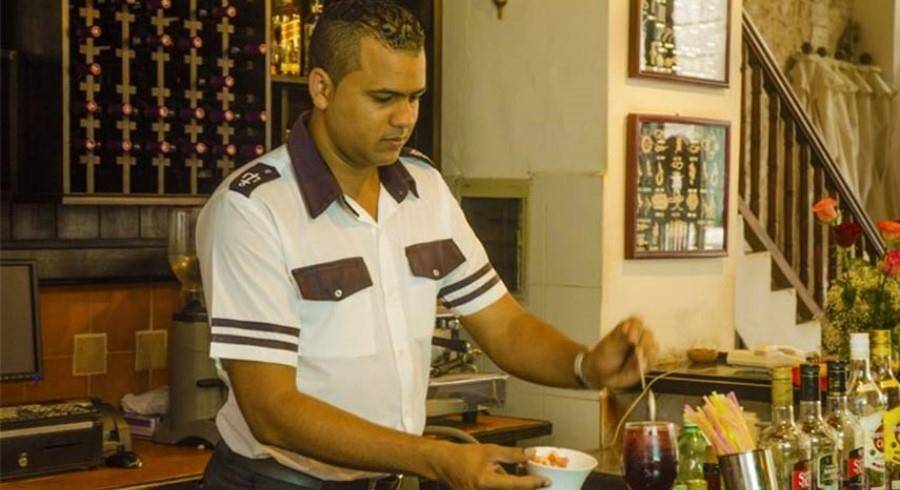
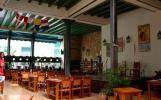
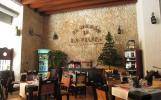
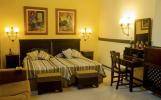
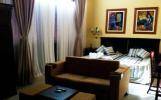
The Meson de la Flota is not strictly speaking a hotel but a bar with a few rooms above it which are more than occasionally used, one suspects, by clients of the hostelry who find the prospect of walking a straight line to their more distant accommodation a little too challenging to contemplate.
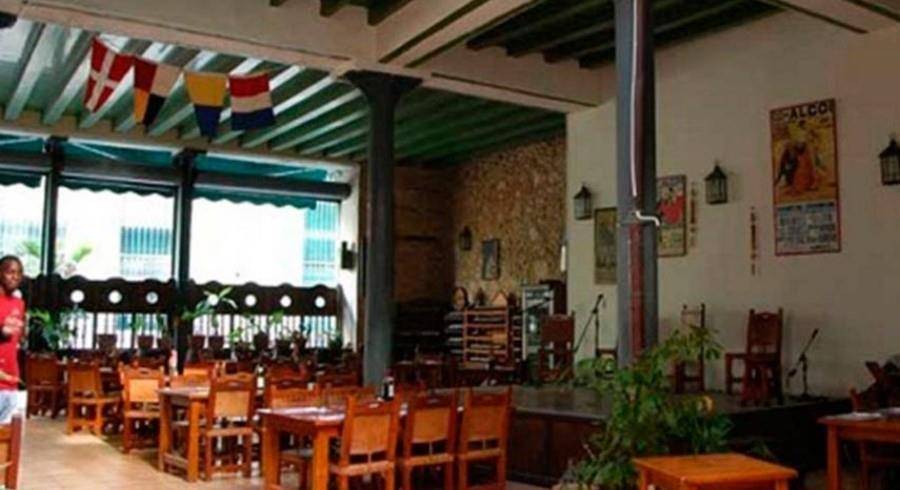
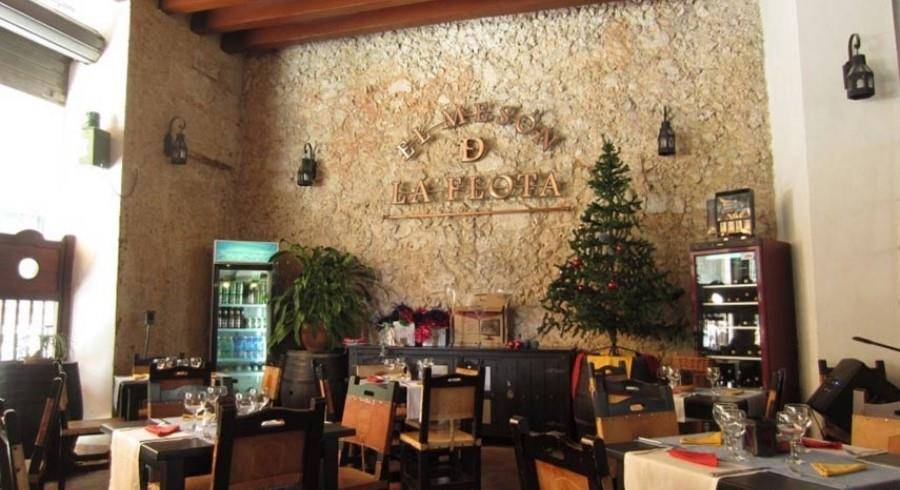
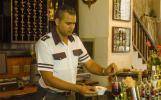
The establishment is designed around a maritime theme in celebration of Havana’s salty, swashbuckling history and is liberally decorated with signal flags, model ships, barrels, ships’ wheels, lanterns and other seagoing paraphernalia.
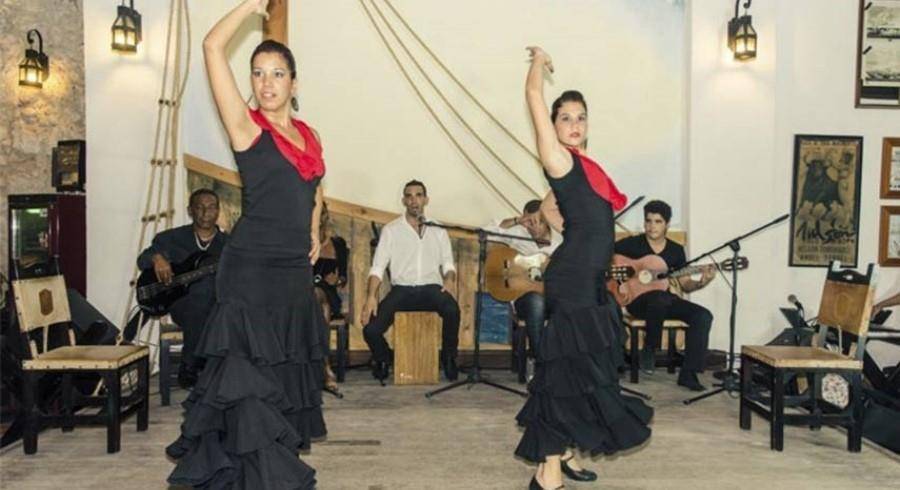
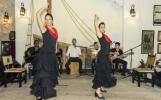
There’s a good selection of wines and some excellent tapas at the bar, along with exuberant performances of Cubano-Flamenco music every day.
Oficios, e/ Amargura y Churruca, Habana Vieja
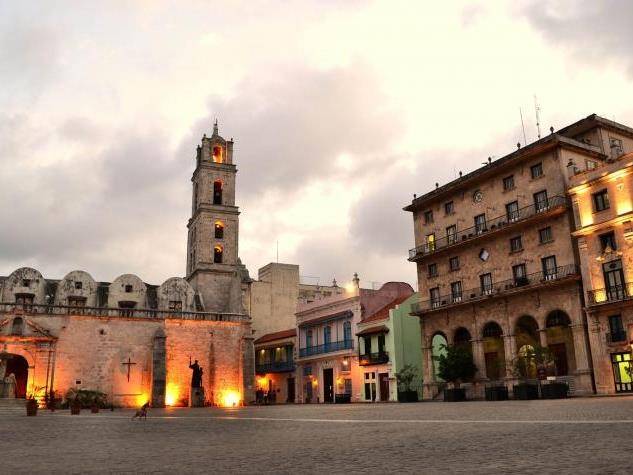
San Francisco de Asís Square
This square dates back to the first half of the 17th century. Its location, just a few metres from the bay, led to it becoming an important trading square over the years. It is said that around the year 1600 the first fountain of the city could be seen at this square. In 1836 it was replaced by a beautiful fountain made of white Carrara marble by Giuseppe Gaggini, under the good auspices of the Villanueva Count. This fountain is called Fuente de los Leones (Lions Fountain). On its paved area stand two noteworthy buildings: the Monastery and Basilica of San Francisco de Asís, which today houses the Museum of Religious Art and a concert hall. It is also where the Lonja del Comercio (Chamber of Commerce) is located, inspired by Spanish Renaissance architecture and topped by a dome on which a sculpture of the god Mercury stands. Among the houses built around the plaza, the house of the Arostegui family, residence of the Captain Generals until the completion of the City Hall at the end of the 18th century, was erected.
Tacon e/ Obispo y ORelly, Habana Vieja
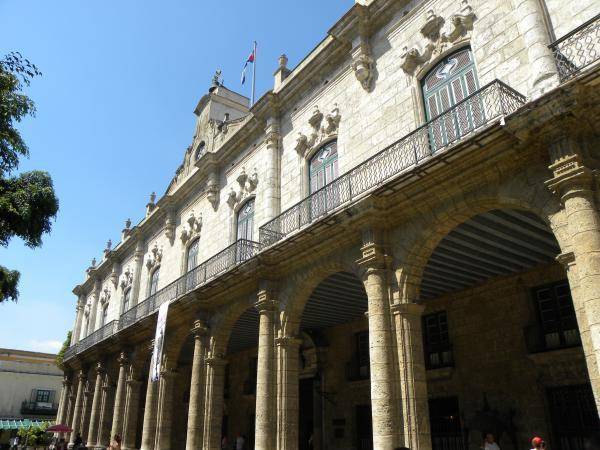
Palace of the Captains-General (City Museum)
Currently the venue of the Office of the Historian of Havana, the palace was built in 1776 and has been given several functions: official residence of the Spanish governors of the island from 1781 to 1899 and of the presidency of the republic from 1902 to 1920. The City Museum currently occupies part of the sumptuous halls with permanent exhibition of arts and history of the colonial times and of the beginnings of the 20 th century. The museum exhibits valuable treasures such as: the first Cuban flag, personal effects of the heroes of Cuba: Jose Martí, Máximo Gómez and Antonio Maceo together with a priceless collection of colonial furniture, carriages and other works of art.
Fortaleza de San Carlos de La Cabaña, Carretera de La Cabana, Habana del Este
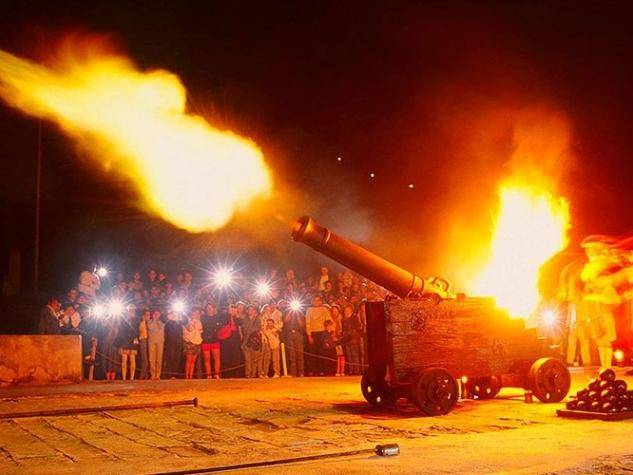
The Cannon Blast Ceremony
The Cannon Blast ceremony (El Cañonazo de las Nueve) is one of the oldest and attractive traditions of Havana. In colonial days, the shots signalled the closing of the gates of the walled city and the rising of the chain across the entrance to the harbour. The tradition of firing a cannon every night at 9:00 pm was kept even after the wall was torn down and is still used for checking your watch.
Teniente Rey y Villegas, Habana Vieja, La Habana
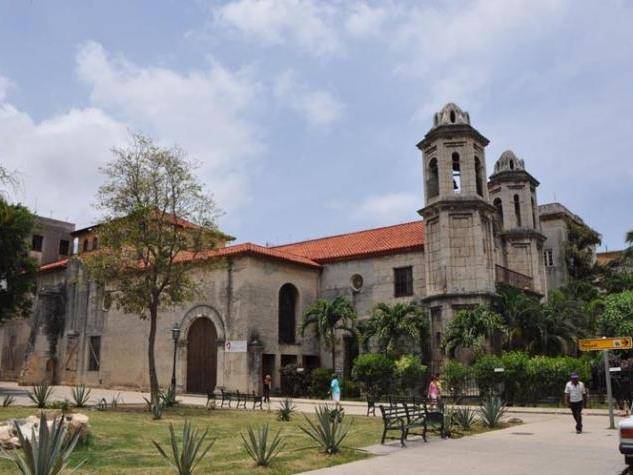
Santo Cristo del Buen Viaje Church
The Santo Cristo del Buen Viaje Church is a simple yet charming church. It is located in Plaza del Cristo Square, on the western side of Old Havana, away from the city center and tourist areas. The structure of the church is intriguing because of the simplicity of its towers and of its lateral façades, in complete harmony with the character of the works of the 17th century. The church was built in 1732 in the same place where previously there was a Franciscan shrine. Nowadays it has only partially been restored, with its beautiful stained glass windows and brightly colored ceiling being very noteworthy qualities. Inside the church, the image of Jesus on the Cross among travelers and sailors became very popular because it was thought to keep people from harm. On Good Fridays the processions left from the Convento de San Francisco de Asís and ended at the Iglesia del Cristo. The dimensions of the plaza were planned according to the processions that were to take place in it, marking the end of the fourteen crosses or Stations of the Cross. The Plaza del Cristo Square is an ideal place if you want to get far from touristy areas and to witness what real Cuban life is like.
 English