Santo Tomás St. on the corner of Enramadas St., Santiago de Cuba ,
Santiago de Cuba, Cuba
(+53) 22653021
yes
About
Imperial
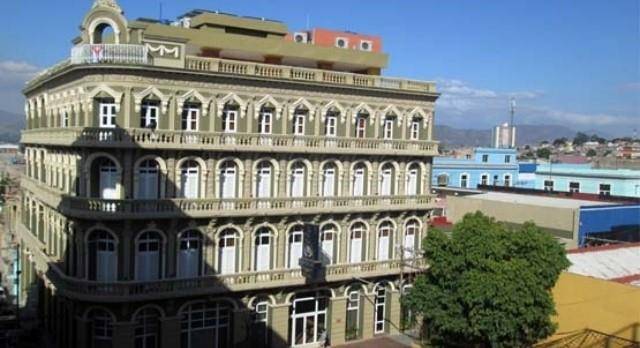
Hotel Encanto Imperial Santiago opened its doors in November 2016.
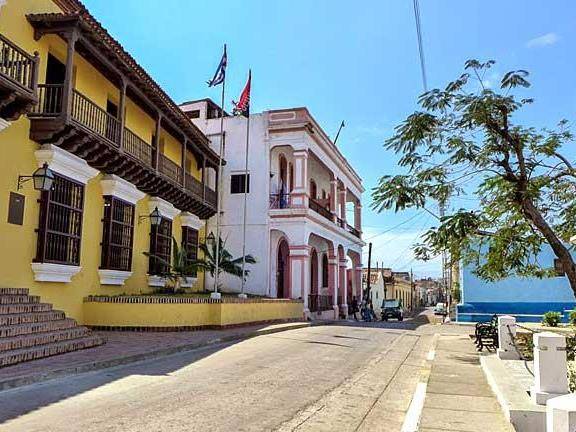
Hotel Encanto Imperial is located in the historic centre of Santiago de Cuba, just a few meters away from the Park Cespedes.
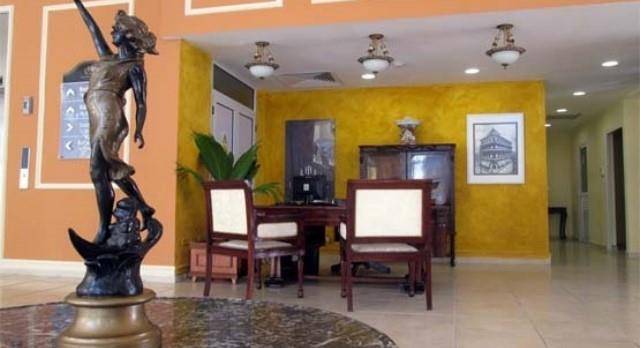
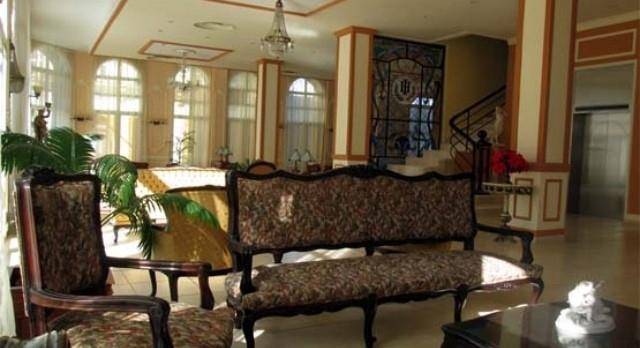
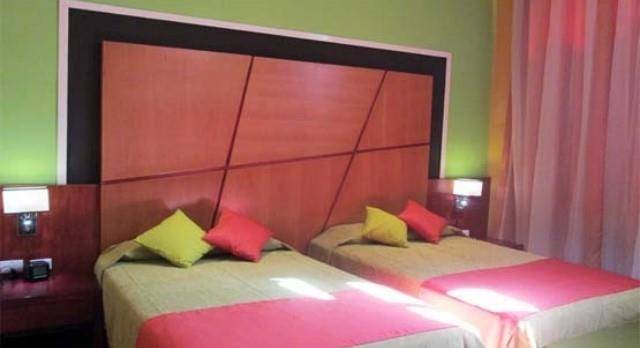
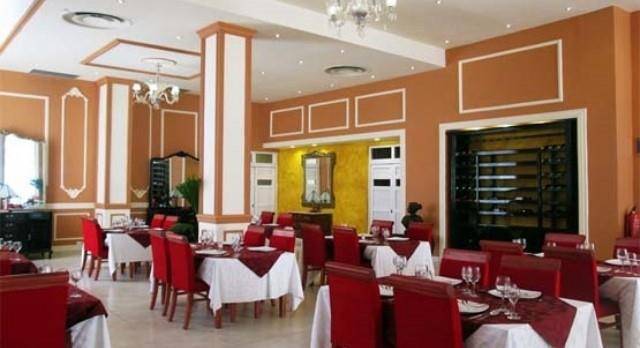
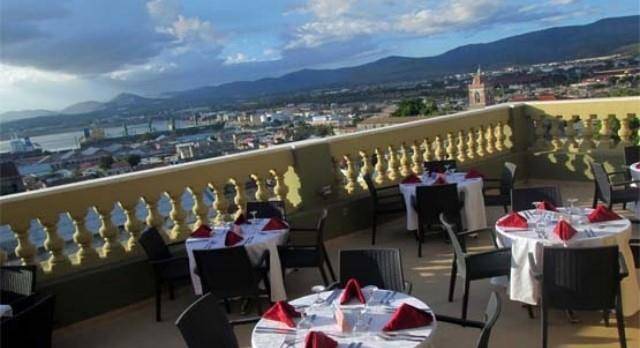
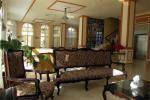
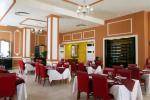
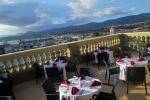
The boutique Imperial hotel keeps the architectural values of the eclecticism. Its main charm is the combination of its historic values with a service that pleases nowadays demand. It also have a roof garden which offers a lovely view on the City of Santiago.
Calle Bartolomé Masó (San Basilio) y Calle Corona, Santiago de Cuba
Balcón de Velázquez
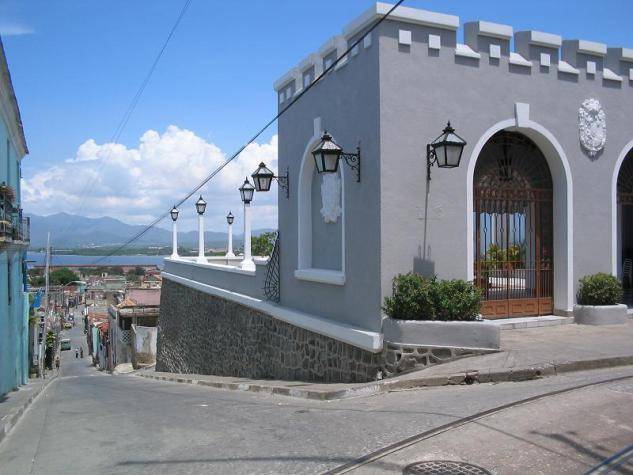
This ceramic-tiled terrace is all that remains of a fort once used by authorities to monitor boat traffic. It's a great place to linger while taking in views of both the city and the bay. Music shows and other events are often held here, particularly on weekend evenings.
Calle Trinidad y Calle Nueva, Santiago de Cuba
Abel Santamaría Historic Park
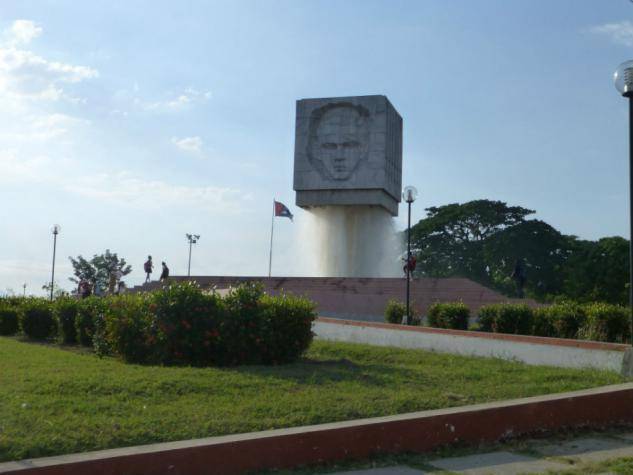
Abel Santamaría Historic Park is compounded by the museum, a library and a monument in the place in which you will find the ruins of the Former Saturnino Lora Civil Hospital. The museum of the enclosure which binds together all these buildings was opened in 1973 on the occasion of the 20th anniversary of the assault to the Moncada Headquarters, and exhibits the history related to the famous assault and the trial of Fidel Castro. The monument opened in 1979 in memory of Abel Santamaría and his colleagues who were tortured and murdered after the failed raising. It has four faces in which there is a sphinx of José Martí, another of Abel Santamaría, six bayonets symbolizing justice; the solitary star and a verse of the National Anthem. The water curtain which seems to support the compound symbolizes the ideals of the young men of the Centenary Generation.
Ave Crombet, Reparto Santa Ifigenia, Santiago de Cuba
Santa Ifigenia Cementery
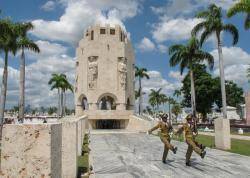
The cemetery of Santa Ifigenia was founded in February of 1868, to the northwest of the city of Santiago de Cuba, and it was declared National Monument February 7 1937 and ratified as such by the Revolutionary Government May 20 1979. In this cemetery lies some of the personalities’ rest more valiant and illustrate of the independence wars, as well as some outstanding figures of the art and the Cuban culture. This cemetery is home to the majestic mausoleum of the National Hero from Cuba, José Martí. The structure is true to Martí's wishes (expressed in one of his poems) that he be buried below the flag of Cuba and surrounded by roses. Besides this mausoleum there is a modest vault in a stone brought from Sierra Maestra, in which lies Fidel’s rest. Other highlights include the tombs of Carlos Manuel de Céspedes, the Father of Our Homeland, and those who died in the Moncada Barracks attack and a memorial to Cuban soldiers who have fallen in battle.
Padre Pico, Santiago de Cuba
Museum of the Clandestine Struggle
The museum of the Clandestine Struggle is located Padre Pico steps up. This excellent museum, in one of the city’s finest colonial houses, focuses on the activities of the resistance movement under local martyr Frank País. Residents of Santiago were instrumental in supporting the Revolution, as were peasants in the Sierra Maestra. From the museum’s balcony, there are tremendous views of Santiago and the bay.
 English