Km 22 on the road to Moa, Baracoa, Guantanamo Province ,
Baracoa, Cuba
(+53) 21451951
yes
About
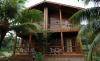
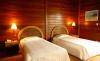
Villa Maguana
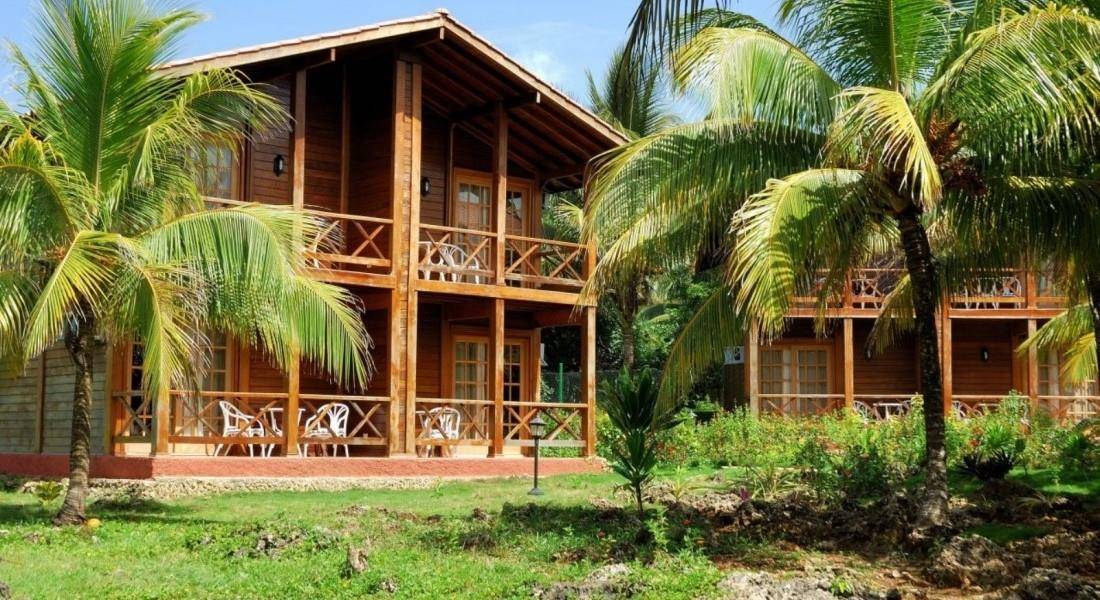
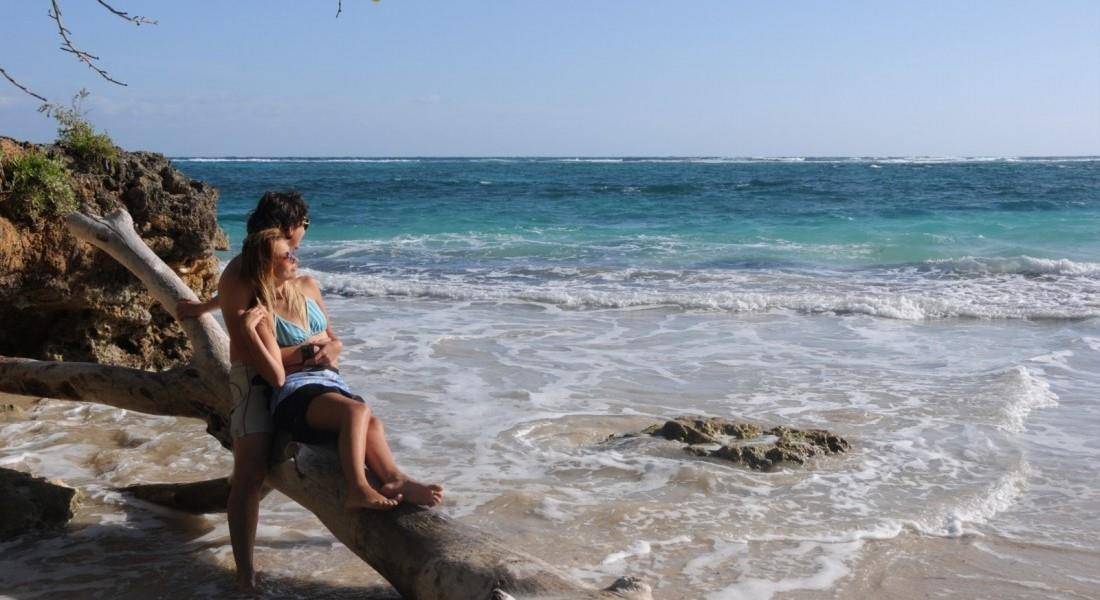
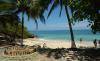
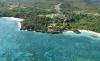
Enjoy the exclusive privacy, peace and comfort at only 20 km of Baracoa town. Located in the front line of a white sands virgin beach.
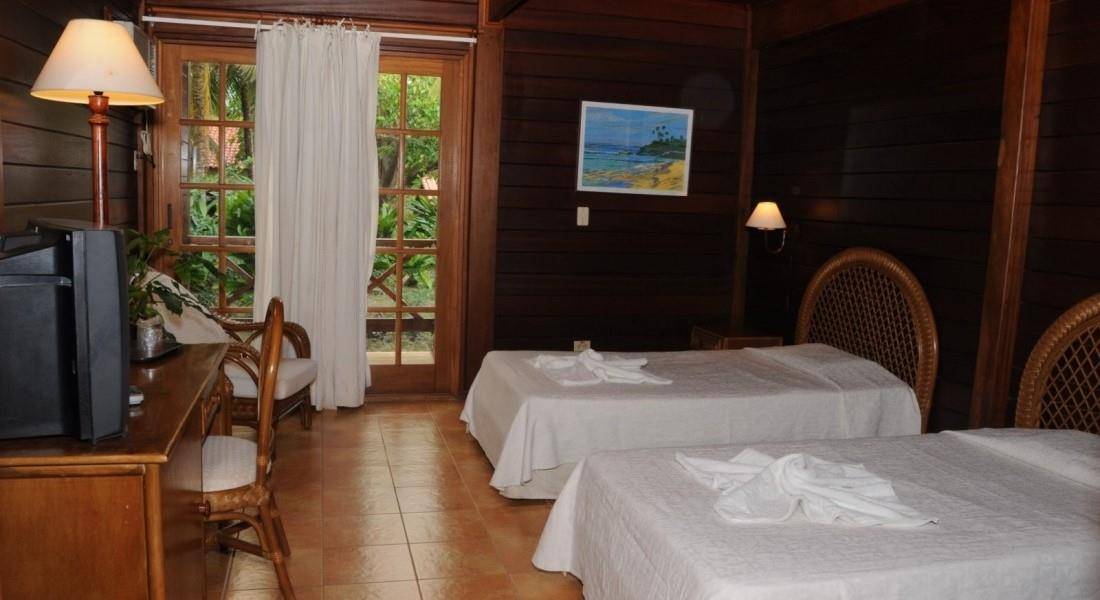
Rooms: 83.
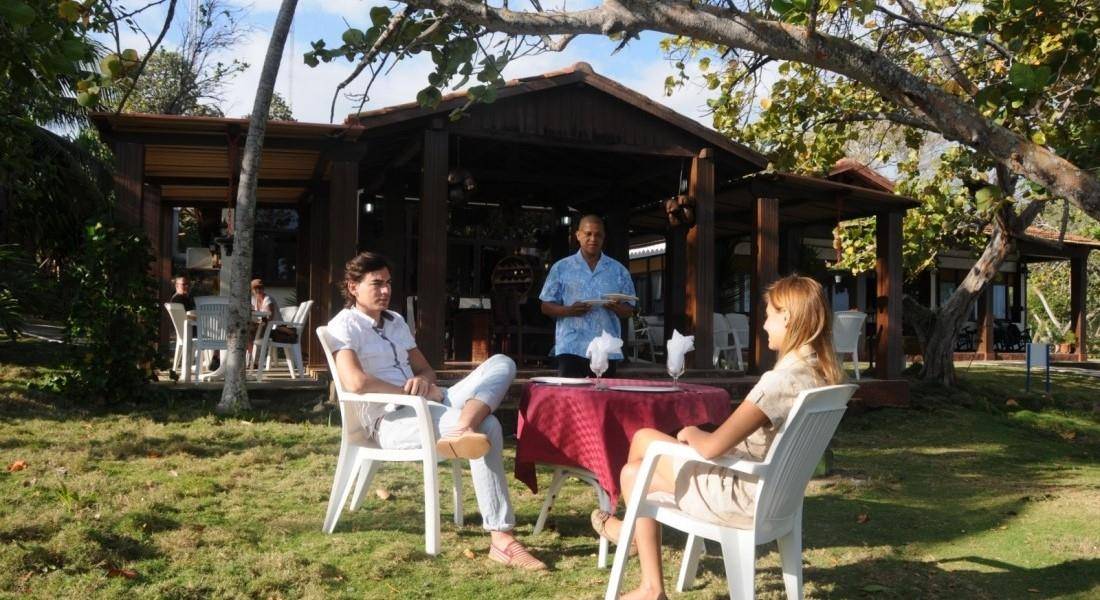
Restaurants and bars: 1 Restaurant and 1 Snack-bar.
Calle Martí y El Malecón, Baracoa
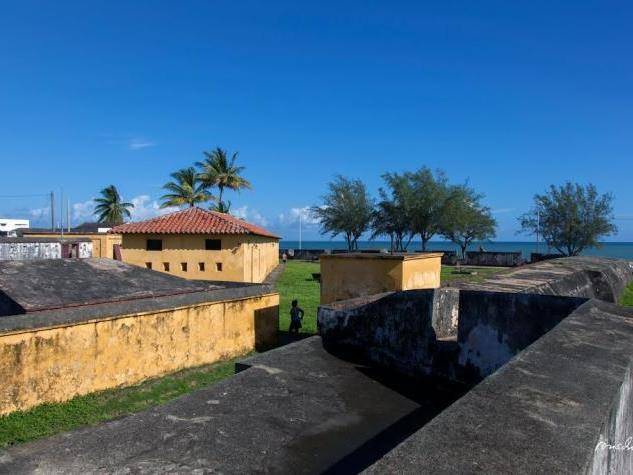
Fuerte Matachín
One of Baracoa's three fortresses, Fuerte Matachín, was completed in 1802. In 1868 it became a guard post of the Spanish army for the recognition and registry of all those entering and departing from the city. After the installation of the pseudo-Republic, it was used firstly as a bastion against the pirates and later was used by the Spanish as a prison. Today it houses the Museo Histórico Matachín, whose displays discuss the city's history, including its Taíno roots. There are examples of Taíno pottery, sculpture, and other artifacts; exhibits on famous citizens; and displays explaining the community's role in the wars for independence and the Revolution.
Consejo Popular Mata-Guandao, Baracoa, Guantánamo
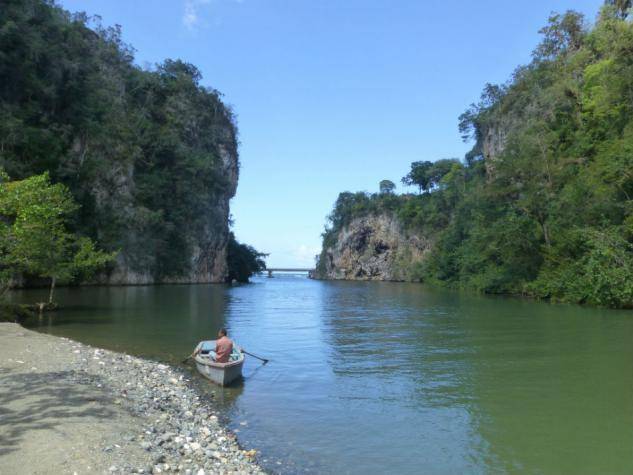
Boca de Yumurí
Boca de Yumurí will surprise you for the beauty of the environment which surround the green spot. The beautiful area of Yumurí captivates everyone who visits it, inviting to make a short trip towards the little Almendras Island, between the canyon of the Yumuri Rivers. The Yumurí Canyon occupies an extension of 8,7 square kilometers of forests and is characterized by fresh and transparent waters. This place is a true paradise for the flora and the fauna, among which stand out the existence of more than 60 types of birds. Considered the speleology eden, it is a place taken good care of by scientists and inhabitants.
Calle Calixto García, Baracoa
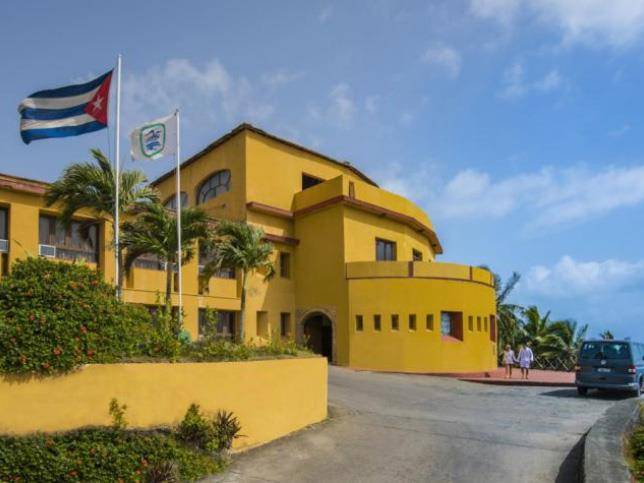
Castillo de Seboruco
This fortress, which now houses the Hotel El Castillo, dominates a hill overlooking Baracoa. It is a former castle looking out over red-tiled roofs, the town’s expansive, oyster-shaped bay and the landmark mountain called El Yunque (The Anvil), named for its singular shape. Although construction on it started in 1739, the fort wasn't finished until nearly 200 years later. Even if you don't stay here, stop by for the views of El Yunque and the city.
Baracoa
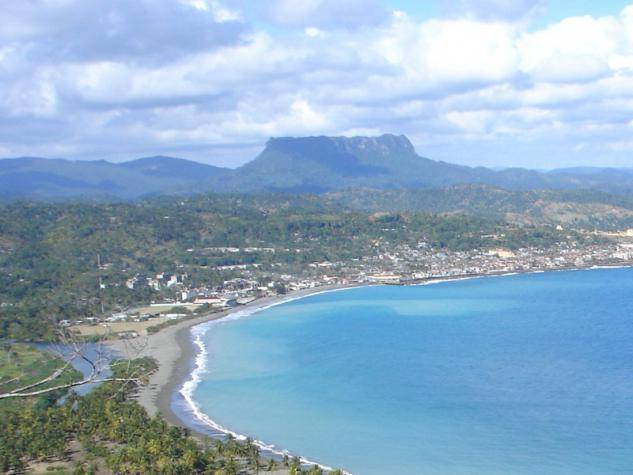
El Yunque
A peculiar elevation of vertical slopes and flat top located 8 km off the Baracoa city, Columbus described it in his diary notes of his first trip to Cuba in 1492. El Yunque de Baracoa, declared National Monument and symbol of the city of Baracoa, considered an ecological island that called the attention of Admiral Christopher Columbus in his first trip to the Americas, serving as an orientation feature due to its unusual characteristics (flat topped). The fauna of the Yunque is rich and diverse there are abundant woodpeckers, humming birds, jutias, lizards, reptiles. There is a natural viewpoint at 573 m, from which one can see a vast landscape of green mountains and rivers with the Bay of Baracoa as backdrop.
 English